 MIDDLE-EARTH TIMELINE
Readers and scholars have written hundreds of books about Tolkien, his life and the world he created. This page gathers the ones recommended by the Tolkien Society, in order of publication.
For Tolkien's own books, see the Tolkien books timeline and his other works.
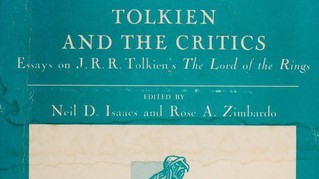
1968
The first collection of critical essays on The Lord of the Rings, with contributions by C.S. Lewis and W.H. Auden.
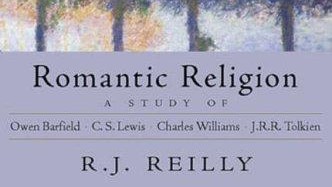
1971
An early study of the Inklings, showing how Barfield, Lewis, Williams and Tolkien joined imagination and Christian faith.
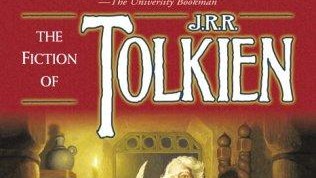
1972
One of the first full studies of Tolkien's fiction, written while Tolkien was still alive and winner of the Mythopoeic Scholarship Award.
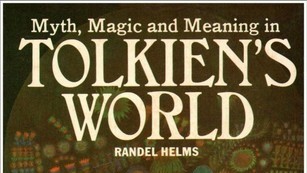
1974
An early study of how Tolkien's ideas on Beowulf and fairy stories shaped The Hobbit, The Lord of the Rings and his shorter tales.
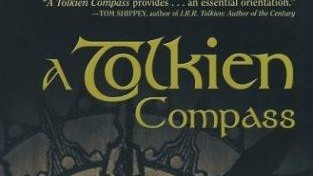
1975
One of the first books of Tolkien criticism: a collection of essays, first published with Tolkien's own Guide to the Names.
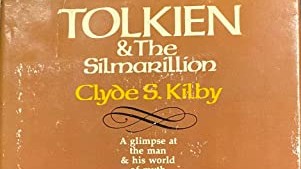
1976
Clyde Kilby recalls the summer of 1966 he spent in Oxford helping Tolkien with the manuscripts of The Silmarillion.
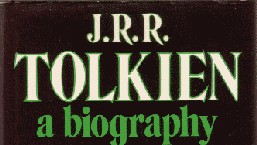
1977
The authorised life of J.R.R. Tolkien, written with full access to his papers, from his childhood in Birmingham to his last years in Oxford.
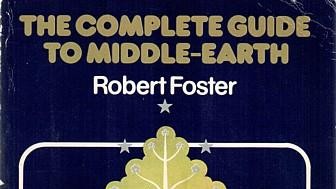
1978
An A to Z encyclopedia of the people, places and things of Middle-earth, from The Hobbit to The Silmarillion.
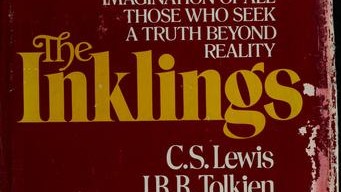
1978
The story of the Oxford circle of friends where Tolkien read The Lord of the Rings aloud to C.S. Lewis and Charles Williams.
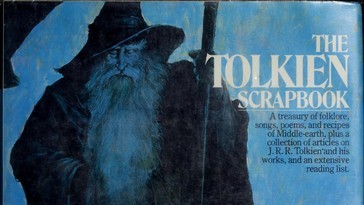
1978
Essays, poems, recipes and puzzles about Tolkien, gathered for fans in 1978, with illustrations by Tim Kirk and Michael Green.
1979
A Jungian reading of Middle-earth, with Frodo's quest as a journey toward the self and Gollum as the Shadow.
1979
How Tolkien's work as a scholar of Old and Middle English shaped his fiction and his wish to write a mythology for England.
1981
Jared Lobdell reads The Lord of the Rings as an Edwardian adventure story, a philologist's world and a Christian work.
1981
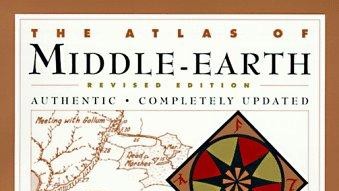
The classic atlas of Tolkien's world, with maps of every Age, every journey and every battle, drawn by a professional cartographer.
1981
An early study of The Silmarillion, its growth and its sources, written a few years after the book was first published.
1981
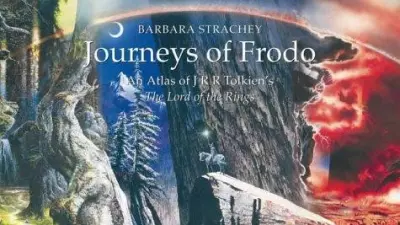
An atlas of 51 maps that follows Frodo and the Fellowship stage by stage, from the Shire to Mount Doom and back.
1981
A second collection of essays on Tolkien edited by Isaacs and Zimbardo, with Verlyn Flieger and Paul Kocher among the contributors.
1982
How a professor of Old English built a world out of words: Tom Shippey on the philology behind Middle-earth.
1983
Verlyn Flieger reads Tolkien's mythology through Owen Barfield's ideas on language, where light and meaning splinter together.
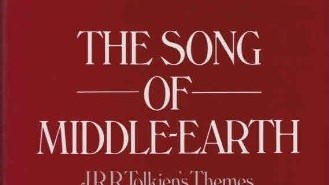
1985
A guide to the themes, symbols and myths behind The Silmarillion, The Hobbit and The Lord of the Rings.
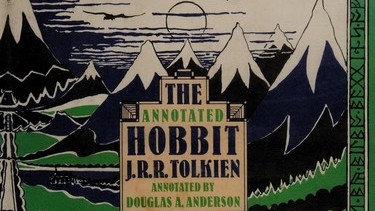
1988
The Hobbit with notes on its sources, its words and the changes Tolkien made to it after The Lord of the Rings.
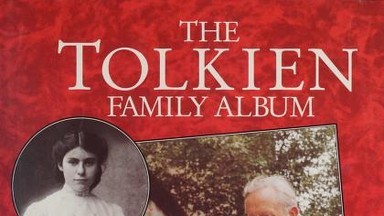
1992
Tolkien's life seen through his family's own photographs, chosen and introduced by his son John and his daughter Priscilla.
1992
Essays by J.S. Ryan, one of Tolkien's former Oxford students, on the influences behind Tolkien's life and work.
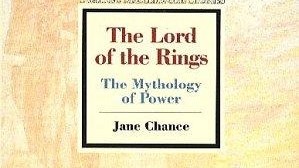
1992
A study of power, politics and language in The Lord of the Rings, read in the light of Michel Foucault.
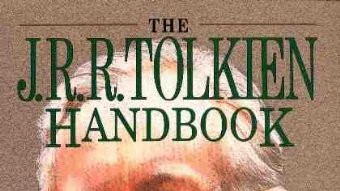
1992
An A to Z guide to Tolkien's life, ideas and writings, from the people and places of Middle-earth to his friends and sources.
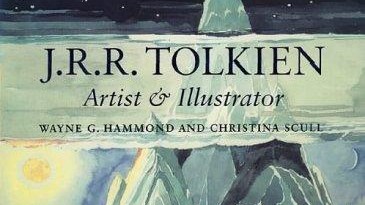
1995
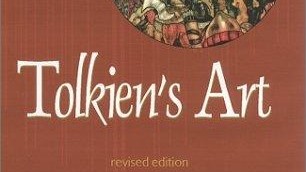
Some two hundred drawings and paintings by Tolkien, from his early sketches to The Hobbit and The Lord of the Rings, with a full commentary.
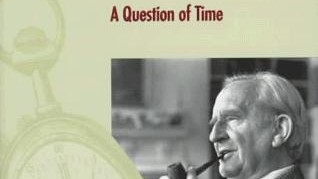
1997
Verlyn Flieger on time, dreams and time travel in Tolkien's work, from The Lost Road to The Lord of the Rings.
1997
A defence of Tolkien's fantasy, arguing that The Lord of the Rings speaks to modern worries about nature, community and the sacred.
1998
A literary life of Tolkien that puts his Catholic faith at the heart of his life and of Middle-earth.
2000
Essays on The History of Middle-earth, the drafts of Tolkien's legendarium published by his son Christopher.
2001
Le Guin, Martin, Pratchett, Feist and other fantasy writers tell how Tolkien shaped their reading and their own work.
2003
How the young Tolkien, his school friends and the Battle of the Somme shaped the first stories of Middle-earth.
2003
Fifteen essays on Tolkien the scholar of the Middle Ages, and how his medieval studies shaped Middle-earth.
2003
A critic places Tolkien among the writers of his century and looks at his success, his ideas and the adaptations of his work.
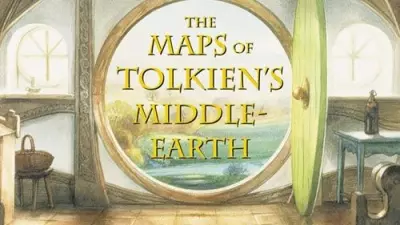
2003
Four large fold-out maps by John Howe, Middle-earth, Wilderland, Beleriand and Númenor, with a guide by Brian Sibley.
2004
Essays on the Greek, Norse, Old English and Finnish myths behind Tolkien's own mythology.
2005
Medieval poems and sagas set side by side with the passages of Tolkien they inspired, in the original and in translation.
2005
How Celtic and Norse traditions meet in Middle-earth, from Gandalf as an Odin figure to the borders of the Elvish realms.
2005
Verlyn Flieger on how Tolkien built his mythology to read like a real tradition, from Ælfwine to the Red Book of Westmarch.
2005
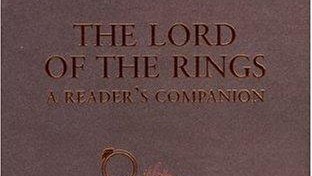
A chapter by chapter companion to The Lord of the Rings, explaining names, sources and changes, with Tolkien's guide for translators.
2006
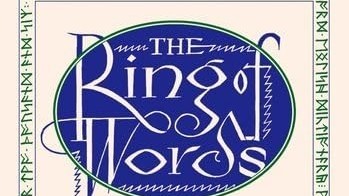
Three OED editors tell how Tolkien worked on the Oxford English Dictionary, and trace the history of more than a hundred words from his fiction.
2006
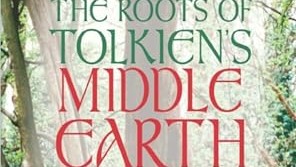
Old photographs and postcards of Birmingham and its countryside, the places of Tolkien's childhood that fed his Middle-earth.
2008
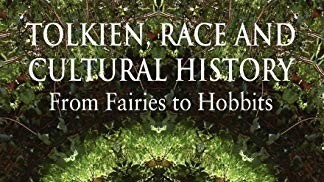
From Victorian fairies to hobbits: how Tolkien's legendarium grew out of the ideas of his time, including on race.
2008
The story of Tolkien's stay at his aunt's farm near Nottingham in 1914, where he wrote the first poem about Earendel.
2008
Tolkien's Oxford from 1911 to 1973, told through old postcards, maps and photographs of the places he knew.
2009
The real Bag End: the Worcestershire farm of Tolkien's aunt Jane Neave, which gave its name to Bilbo's home.
2009
A short guide to the old languages and literatures, from Old English to Finnish, that lie behind Tolkien's fiction.
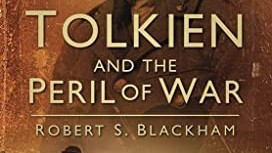
2011
Tolkien's war years from 1914 to 1918, from the Somme to the hospital in Birmingham, told with period postcards, maps and photographs.
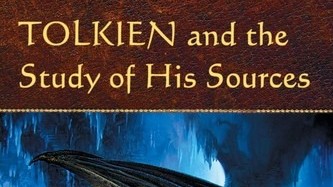
2011
Essays on the texts and legends Tolkien drew on, and on how to study a writer's sources, with an opening essay by Tom Shippey.
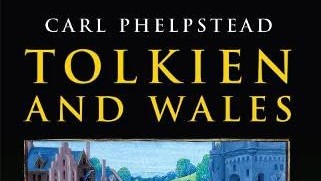
2011
How the Welsh language and Welsh literature shaped Tolkien's ideas about language, his fiction and his sense of English identity.
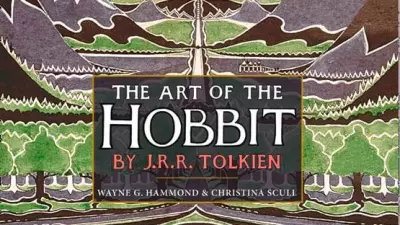
2011
All of Tolkien's own art for The Hobbit, sketches, maps, watercolours and jacket designs, with commentary by Hammond and Scull.
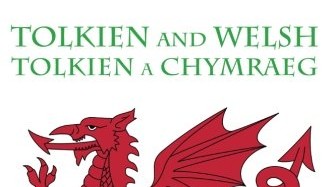
2012
A linguist hunts for the Welsh words, names and sounds that Tolkien wove into Middle-earth, from the Shire to Sindarin.
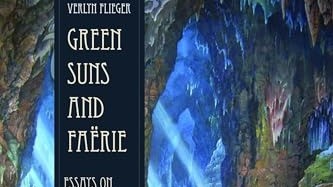
2012
A collection of Verlyn Flieger's essays on Tolkien, from his heroes and Bilbo's last riddle to the idea of Faërie.
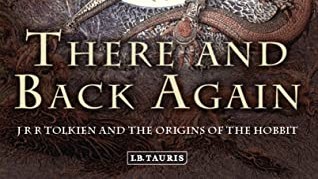
2012
The places, books, myths and friendships that came together in The Hobbit, traced by an Oxford lecturer.
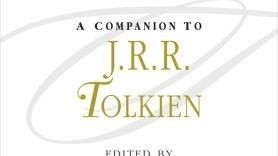
2014
A large academic reference book on Tolkien's life, works, sources and influence, written by leading Tolkien scholars.
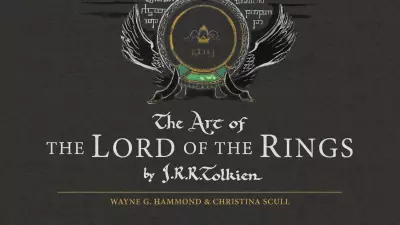
2015
Sketches, maps and drawings Tolkien made while writing The Lord of the Rings, many of them published here for the first time.
2017
Essays on the Other in Tolkien: gender, race, language and identity, from Éowyn and Saruman to the Orcs.
2017
A second collection of Verlyn Flieger's essays, on myth, truth and Faërie in Tolkien's work.
2019
More than two thousand books that Tolkien owned, read or cited, listed and annotated, with a foreword by Tom Shippey.
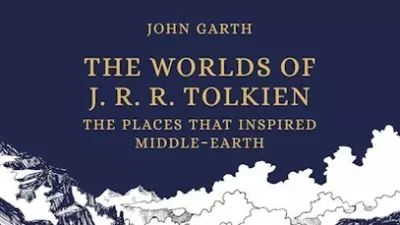
2020
From the West Midlands to Oxford and beyond, the real places that most likely inspired Tolkien's Middle-earth.
The reference is Humphrey Carpenter's Tolkien: A Biography, published in 1977 and written with access to Tolkien's papers. John Garth's Tolkien and the Great War looks closely at his years as a student and a soldier.
Yes. Karen Wynn Fonstad's The Atlas of Middle-earth maps the lands, journeys and battles of all of Tolkien's Middle-earth books. Barbara Strachey's Journeys of Frodo covers The Lord of the Rings alone.
Among them are Tom Shippey, Verlyn Flieger, Wayne G. Hammond and Christina Scull, John Garth and Dimitra Fimi.